The Specifier’s Guide to Genuinely Sustainable Interior Materials
- By John Matera
- November 17, 2026
- Architecture
Key Takeaways
- Sustainable specification is an evidence process, not a visual judgment or a collection of green-sounding adjectives.
- Every claim should identify what is being claimed, what part of the product or project it covers, and what current document supports it.
- LEED, WELL, FSC, emissions standards, recycled-content statements, and carbon claims answer different questions and should not be blended together.
- Cork gives specifiers a strong example of a material whose sustainability case is best explained through mechanisms and documentation rather than unsupported shorthand.
The practical answer to how to specify sustainable materials is to turn every sustainability claim into a verification question. What exactly is being claimed? What is the boundary of that claim? Who verified it? Is the document current? Does it apply to the exact product and installation being specified?
That process matters because materials can look natural without being well documented, and highly documented products can still be misrepresented by broad marketing language. A good specification does not reward the strongest adjective. It rewards the clearest evidence.
What makes a sustainability claim useful to a specifier?
A useful claim is specific enough that another reviewer can trace it. “Sustainable,” “eco-friendly,” and “green” are conclusions. They do not tell the project team what was measured or verified.
Stronger claims identify the category:
- Source and renewability: Where does the raw material come from, and how is it replenished?
- Recycled content: How much recycled material is present, what type is it, and how is the percentage calculated?
- Emissions: Was the finished product tested for emissions, or is the claim only about ingredient content? Does the adhesive or coating have separate requirements?
- Carbon: Is the statement about biogenic carbon, manufacturing emissions, sequestration, an EPD result, or a complete life-cycle assessment?
- Certification and chain of custody: Does the certification apply to the organization, the material, the transaction, or the whole project?
- End of life: Is a recycling, reuse, or biodegradability claim realistic for the actual installed assembly?
The discipline is simple: use the documentation before the adjective. If the evidence is precise, the sustainability language can be precise too.
Which documents belong in a sustainable material review?
There is no single document that proves a material is “sustainable.” Different documents answer different questions. The project team should request the ones that match the goals of the project.
- Environmental Product Declaration or LCA information: useful when the project is evaluating quantified environmental impacts or embodied carbon across defined life-cycle stages.
- Chain-of-custody documentation: useful when the project requires traceability for certified forest-based material. FSC explains chain of custody as the system used to identify and track certified material through the supply chain.
- Recycled-content documentation: useful when a project is tracking post-consumer or post-industrial content and needs the basis of calculation.
- VOC or emissions documentation: useful when indoor environmental quality requirements depend on a named test method, product category, or installation material.
- Green-building program documentation: useful when a material attribute contributes to a project pursuing a specific rating system.
Do not let one document answer a question it was never designed to answer. An FSC certificate does not establish low emissions. A recycled-content statement does not establish a carbon footprint. An emissions result does not prove responsible sourcing.
How should LEED, WELL, FSC, CDPH, and CARB be interpreted?
LEED and WELL are project frameworks. They organize requirements and credits at the building or project level. A product may provide information that helps a team document a strategy, but that is different from saying the product itself is “LEED certified” or “WELL certified.” Project teams should map material documentation to the version and credit language that governs the actual project.
FSC chain of custody is about traceability. It verifies systems for identifying and handling certified forest-based material through the supply chain. If a project requires FSC material, request current chain-of-custody documentation and confirm that the order can be supplied under the required claim.
CDPH and CARB address narrower technical questions. CDPH methods are commonly referenced in emissions testing, while CARB requirements can apply to formaldehyde emissions from regulated composite wood products. These are not interchangeable with a general “healthy material” statement.
The larger lesson is that a named standard should narrow a claim, not inflate it. Specificity makes a submittal stronger.
What does a verified cork sustainability story look like?
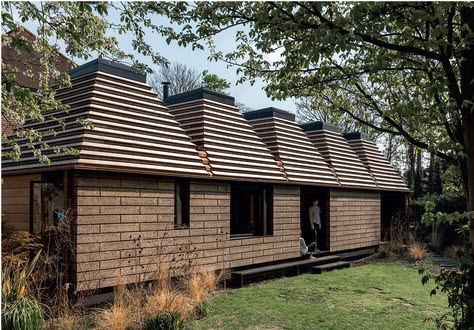
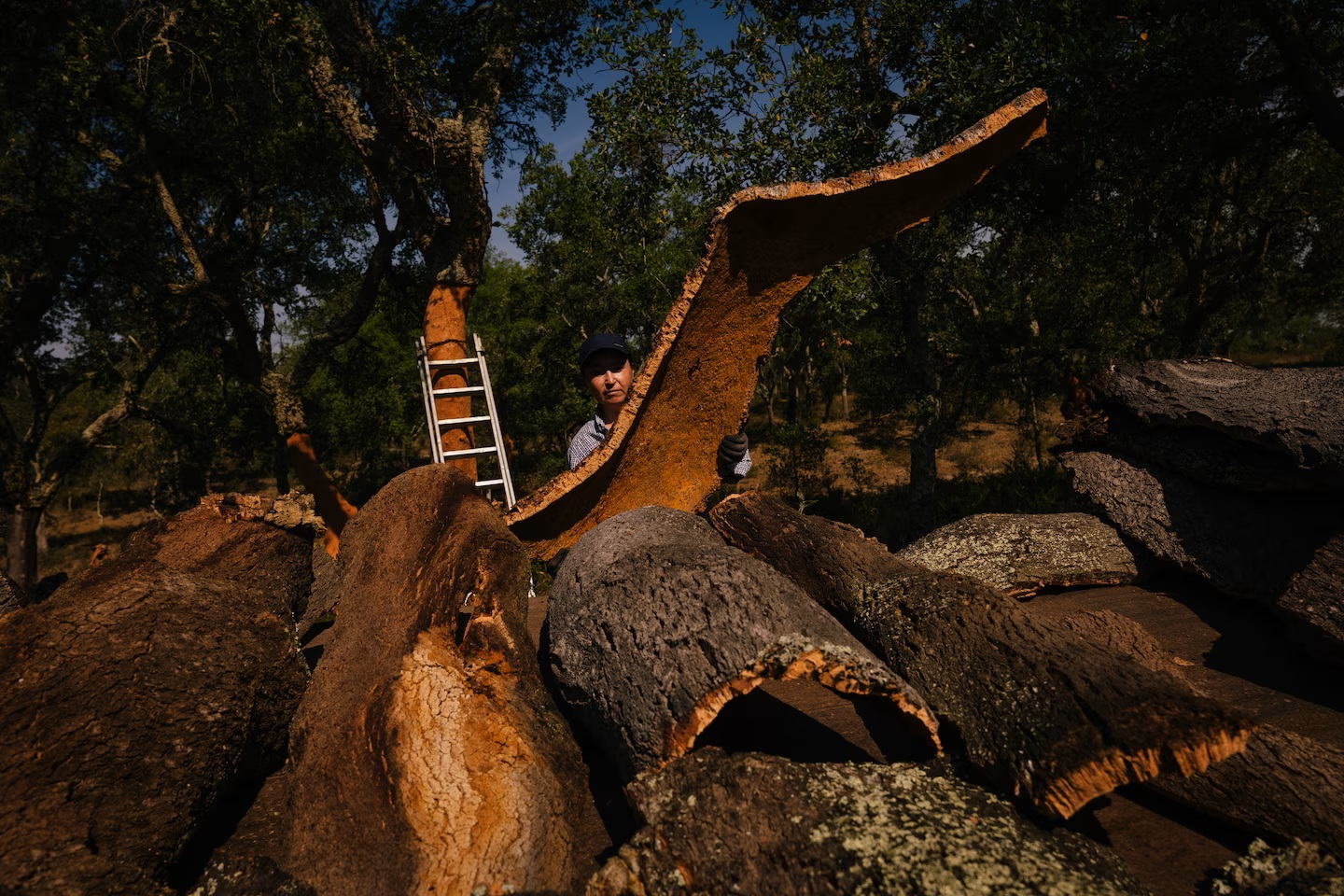
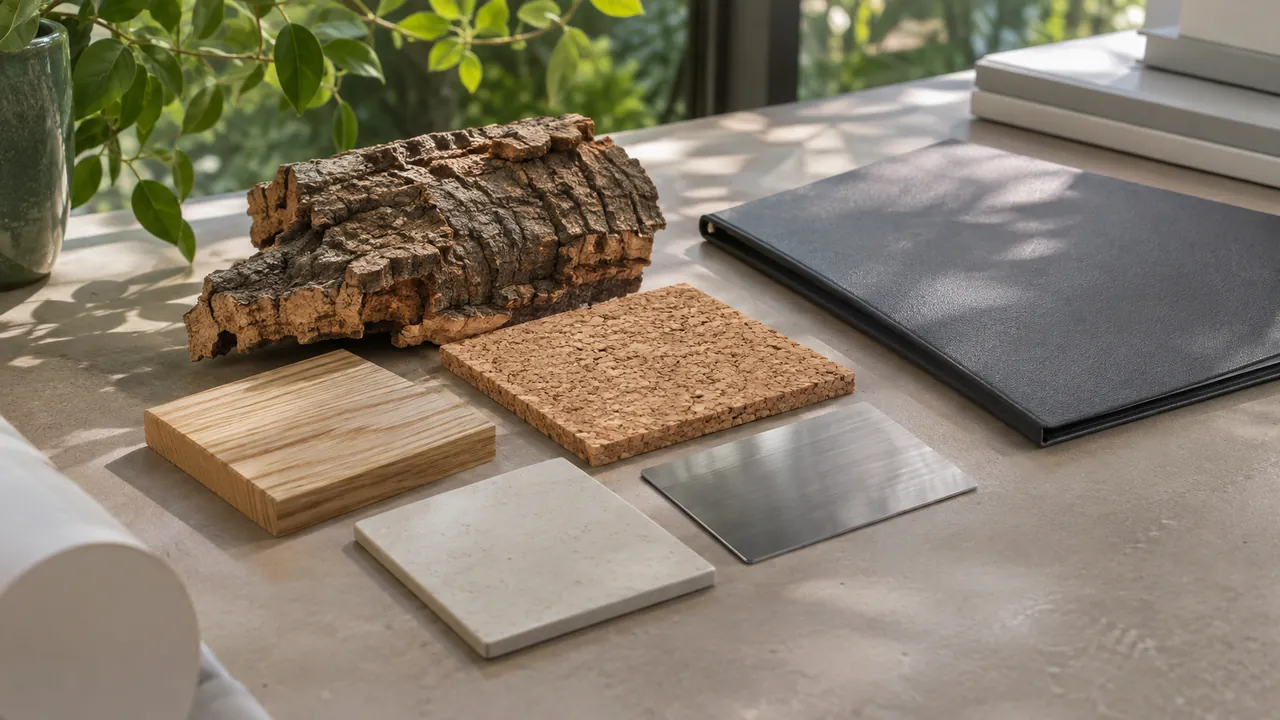
Cork is a useful case study because the material’s strongest sustainability points are mechanisms that can be described directly. Cork is bark from the cork oak. Harvesting removes bark rather than felling the tree, and the bark regenerates for later harvests.
Manton Cork’s green building information states that its composition cork products are approximately 85% post-industrial recycled content by weight. The same page states that cork oak bark renews in less than 10-year cycles, that FSC-certified cork is available on special order, and that the manufacturing process produces a near-zero waste stream with no toxic emissions.
Those are more useful than a blanket label because each can be reviewed independently. If recycled content matters, verify the content statement. If FSC matters, request the current chain-of-custody documentation. If the project has an emissions requirement, verify the exact product and installation materials against the applicable method.
Manton’s cork harvesting material provides additional context on how the bark is harvested, while its broader natural properties content explains why cork behaves differently from many conventional interior materials.
What are the most common greenwashing traps in a finish schedule?
- Vague environmental language: terms such as “green,” “clean,” or “planet-friendly” without a defined basis.
- Certification drift: taking a certification that applies to one organization, component, or transaction and presenting it as if it covers the entire installed product.
- Old documentation: relying on an archived certificate, credit map, or test report without confirming that it still applies.
- Percentage without a denominator: stating recycled content without identifying whether it is by weight, cost, or another basis.
- Content confused with emissions: assuming that the absence of one ingredient proves low emissions from the installed material.
- Carbon shorthand: replacing a defined carbon boundary with a broad label that the available evidence does not support.
Manton Cork’s own content rules follow the same principle. The company does not need unsupported environmental shorthand to tell a strong sustainability story. Regenerating bark, harvest without felling the tree, recycled content, traceability options, and documented manufacturing statements are more credible because a reviewer can ask for the source behind each one.
How do you build a material evidence checklist?
Before a finish is presented as a sustainable choice, put its claims into a simple evidence matrix. The exact format can vary, but the review should answer the same questions every time.
- List each claim separately. Do not combine renewable, recycled, low-emitting, and certified into one row.
- Name the evidence type. Identify the product data sheet, certificate, EPD, test report, manufacturer declaration, or standard involved.
- Record who issued it. Distinguish first-party manufacturer information from third-party certification or testing.
- Check the product scope. Confirm that the document applies to the exact material, binder, finish, backing, adhesive, and configuration being specified when those differences matter.
- Check the date and version. A strong historical document can still be the wrong document for a current project.
- Map the evidence to the project requirement. State which specification section, owner standard, LEED strategy, WELL strategy, or internal sustainability goal the document supports.
- Flag gaps before approval. A conservative claim with a clear open item is better than an unsupported claim that has to be removed during submittal review.
How should specifiers evaluate Manton Cork?
For Manton Cork, start with the same verification discipline you would apply to any other material. Use the current green building information as a first-party starting point, then request current documentation when a specific project requirement depends on it.
If the project requires FSC-certified material, recycled-content confirmation, adhesive information, emissions documentation, or another sustainability record, ask for the current version before the finish is approved. Manton’s value is not that a single label solves the review. It is that the material has a specific, documentable story and the company can help the project team connect the right evidence to the right requirement.
Explore Further
- Embodied Carbon 101 for Interior Designers and Architects
- Life-Cycle Assessment for Interior Finishes
- Renewable vs. Recycled: Which Sustainability Claim Matters More?
- The Material Transparency Movement
- Carbon Questions to Ask Every Material Supplier