Welcome To Our Articles Site...

We hope you find our cork related articles both helpful and informative. Please let us know if we can help you with any of your cork related needs for your business.

March 2010
M T W T F S S
« Oct    
1234567
891011121314
15161718192021
22232425262728
293031  

CORK

Posted By admin on October 5, 2009

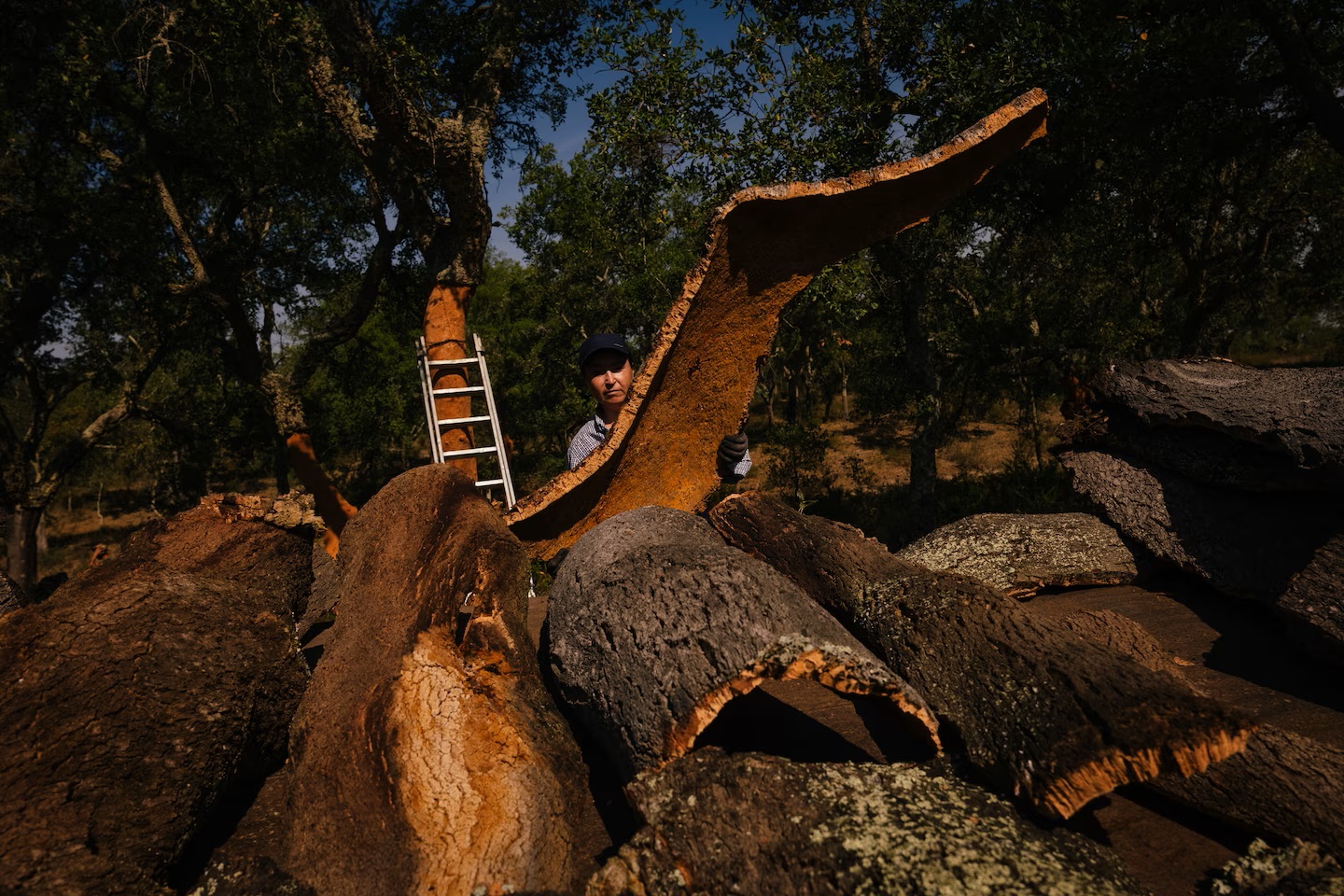
Cork-BarkThe incredible properties of natural cork are primarily the result of its unique structure.  The bark of the cork oak tree is composed of tiny cells, each a 14 sided polyhedron with the inner cell space filled entirely with air.  There are approximately 40 million of these cells in a single cubic centimeter of cork bark.

Cork Oak Tree

For centuries, bark has been harvested from the cork oak forests in Portugal and the other countries which border the western edge of the Mediterranean basin.  The harvesting process is laborious, requiring skilled labor and decades of patience.  Each cork tree must be approximately 20 years old before it can provide its first “virgin” harvest of cork bark, and it will be another nine years before it will be ready again to provide another harvest.

Fortunately, the stripping procedure is done with great care and the cork oak trees live for 160 to 200 years.  Truly, a renewable , environmentally friendly resource.

CORK PROPERTIES

Some of cork’s most unique and useful properties are:

  • Extremely compressible, yet resilient
  • Excellent insulation & fire retardant qualities
  • Highly resistant to wear & tear
  • Unaffected by temperature extremes
  • Resistant to sound & seepage
  • Warm to sight & touch
  • Lightweight & buoyant
  • Virtually indestructible
  • A natural, renewable resource which helps remove pollutants from the air in its original form

First utilized centuries ago as wine stoppers, cork has matured into a key material in many industries including construction, high technology and fashion.

The unique and intrinsic qualities of cork are what make it superior to many synthetic substitutes.  In its several forms – natural, composition granulated and cork/rubber – cork’s many inherent attributes cannot be found in any other single source, making it an essential element for many purposes.

Cork can be shaped to  meet almost any need.  It can be tailor-made to all shapes and sizes:

CORK SLABS

CORK BLOCKS

CORK SHEETS

CORK ROLLS

CORK GRANULES

CORK STOPPERS & CLOSURES

Gaskets used in the automotive industry bring together the unique compressibility, elasticity and heat resistance of cork with the mechanical resistance and size stability of rubber.  The combination of these properties creates the most suitable gaskets for engines, transmissions, and even electrical transformers.

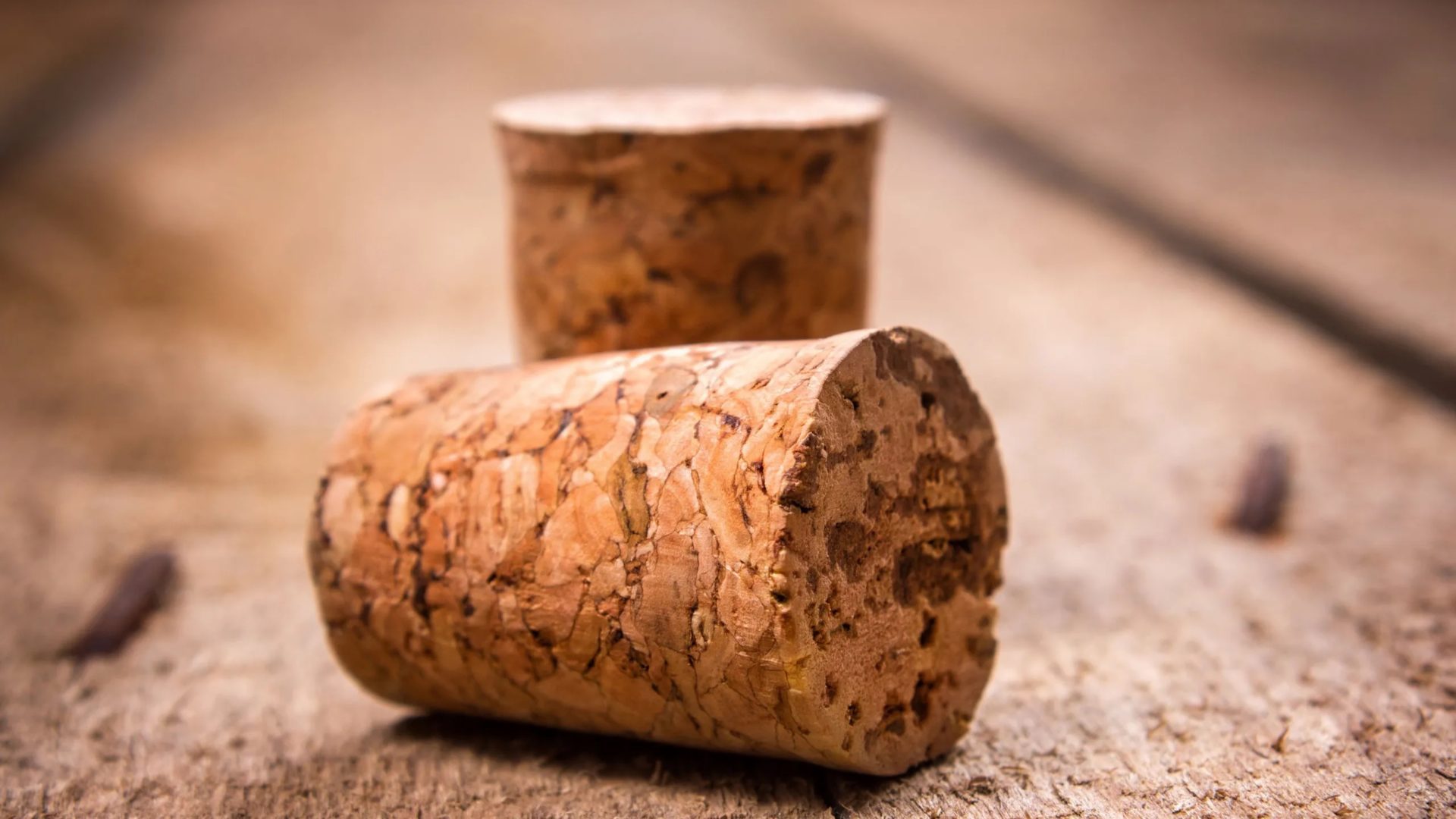
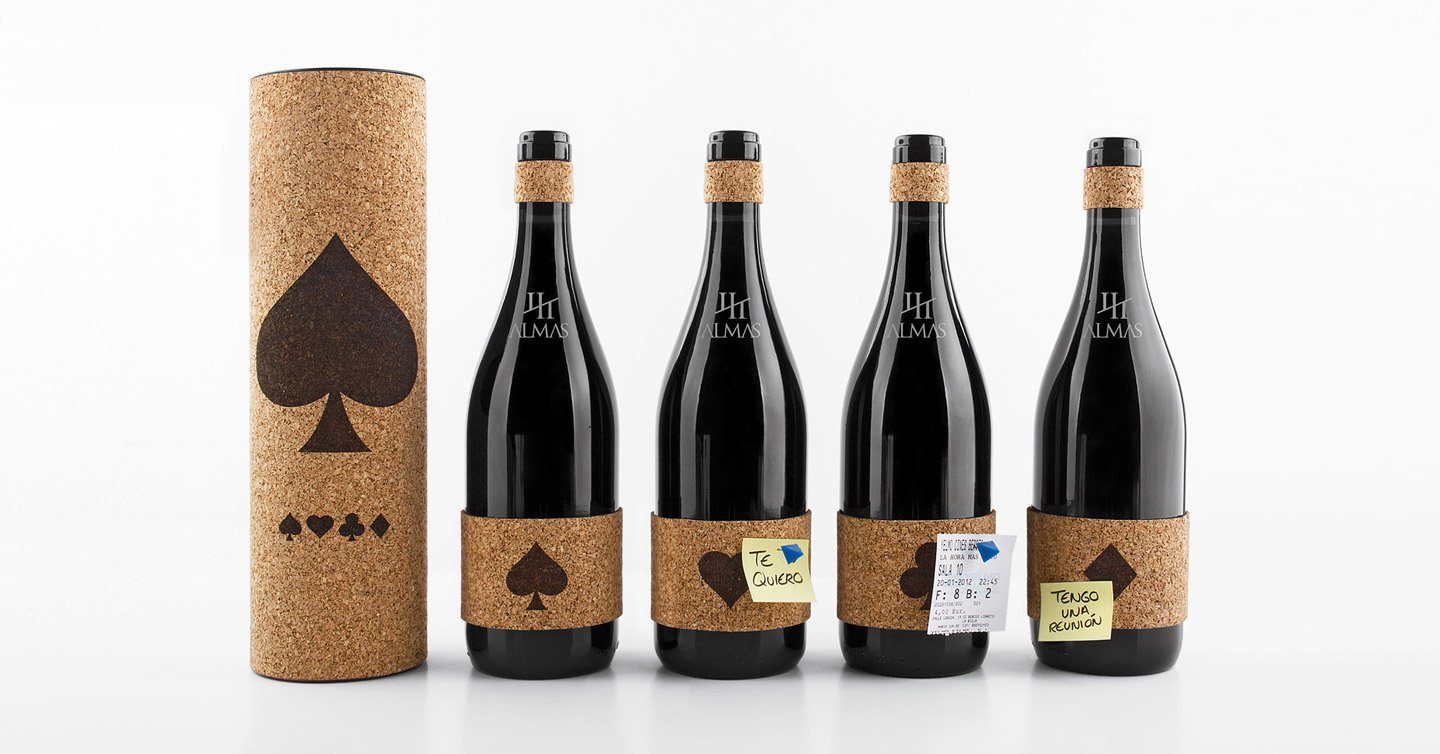
Cork-StoppersCork stoppers from natural and agglomerated cork have undeniable advantages over other stoppers.  They retain their natural elasticity over time, are chemically inert, and impermeable to liquids and gases.  They have been in use since Homeric times and gained wide acceptance during the 1700’s.

INTERIOR DESIGN – CONSTRUCTION – TECHNOLOGY

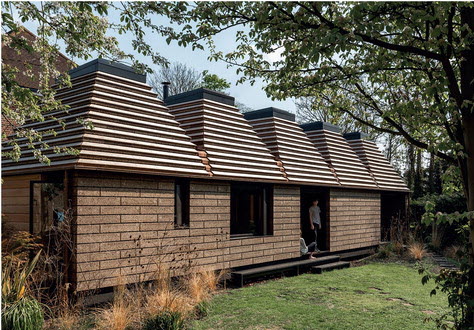
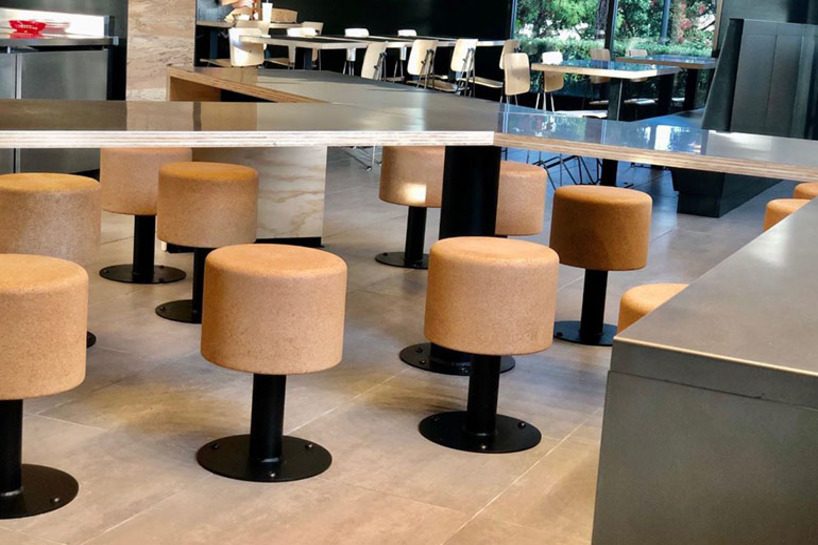
From baseballs to bottle stoppers to the heat shield for the Space Shuttles, few naturally renewable materials touch our lives as frequently as cork.  Many of its uses may be invisible to our eyes, but its benefits are substantial and far-reaching.  Its unique qualities in all forms, natural bark, granulated, rolls, blocks and in combination  with other materials, make our lives safer,  more enjoyable and more comfortable.  Here are a few examples of where this miraculous, naturally renewable product plays a role in our everyday lives.

CorkWall2Cork tiles for floors and walls provide warm, comfortable and durable alternatives to traditional coverings.  Cork is highly abrasion resistant, resists humidity and dampens sound, making it an ideal choice for both residential and commercial uses.  Cork tiles can be produced in a wide variety of sizes, colors and decorative styles for uses in homes, office buildings and industrial facilities.  Cork is also frequently used as an underlayment under hardwood floors.

The cellular structure of cork, even in its granulated, roll or block forms, consists of millions of “air cushions”.  This makes cork the best choice for a wide variety of applications in the building industry, due to its ability to simultaneously act as a thermal barrier, a sound insulator and a vibration dampener.  It does not corrode, is extremely fire resistant and can bear heavy loads.

The special physical and mechanical qualities of cork, allowing it to compress and immediately regain its original size under all weather  and temperature conditions, make it particularly useful in expansion and compression joints and in concrete structures such as dams, tunnels, airport runways and highways.

Cork’s musical talents are seen in its application on tenons and keys in brass and woodwind instruments; even the conductor’s baton features a light, slip resistant cork grip.

The attractive appearance and pleasant feel of cork give it a special place in the production and appreciation of a wide variety of household gifts and novelties.  Coasters, trays, bulletin boards and many other items are enjoyable and practical examples of cork’s participation in our everyday lives.

Cork plays a large part, although sometimes invisibly, in the sporting goods industry.  Fishing and boating equipment, baseballs, bowling balls, softballs, dartboards and a variety of other leisure time equipment benefit from the buoyancy, lightness, slip resistance and compressibility of cork agglomerates.

Cork even lends its fashion talents to the production of highly comfortable casual footwear, and accents leather accessories, such as attache cases, wallets and key holders.

CORK UNDERLAYMENT

Posted By admin on October 5, 2009

Cork-oak-tree1WHY USE CORK UNDERLAYMENT?

Natural cork composition is an excellent underlayment material, providing a good sound barrier, insulation value, & stress crack protection. Cork offers significant benefit over alternative materials and is economical.

Cork is a natural material, extremely effective for sound control Cork Underlayment-Wood(independently tested according to ASTM standards for acoustical values) and is an effective thermal insulation barrier.  In addition, cork offers important stress crack protection.

Quite easy to install, environmentally friendly, cork underlayment does notRoll Corkdeteriorate after years of use and is an ideal and economical solution for your underlayment requirements.  Specification Data on Product #8244 is available on request.

The preferred underlayment panel is APA underlayment grade plywood, minimum thickness of 1/4″, with a fully sanded face.  Note:Particleboard, chip board, Masonite, and lauan are not considered the most suitable underlayments.

Natural Cork underlayment is available in rolls 4′ x 50′ x 6mm (ships via UPS), 4′ x 98′ x 6mm, and 4′ x 200′ x 3mm thickness.  Cork rolls can be easily sheeted with a sharp knife or razor blade.

Cork underlayment will provide outstanding results, in applications under:

  • Hardwood Flooring, Engineered floors, Floating floors and Laminates
  • Ceramic Tile
  • Stone
  • Use cork underlayment with Radiant Heat